


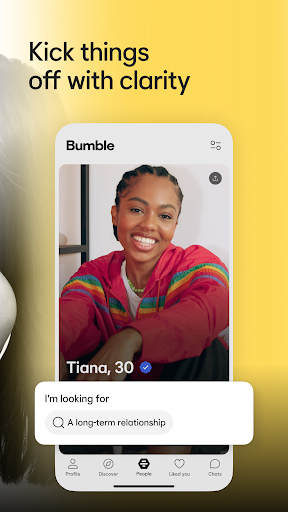
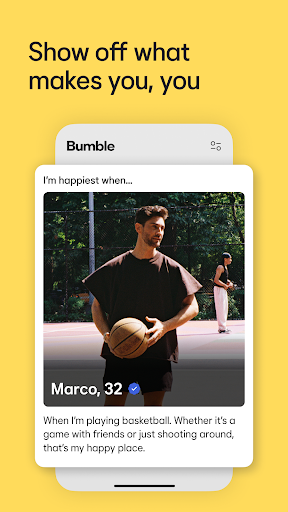
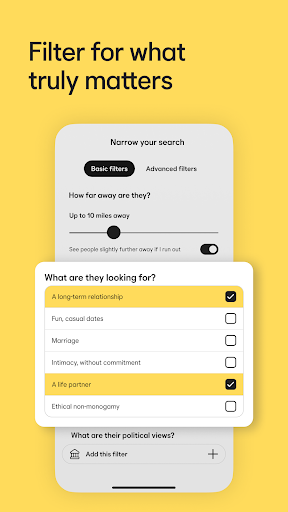
Bumble’s core differentiator is the women-message-first rule for heterosexual matches, which has real value in reducing unsolicited contact and creating a different social dynamic than Tinder. The app is well-designed, loads quickly, and handles the swiping, matching, and messaging flows without obvious friction. The BFF and Bizz modes extend the product beyond dating, though those features have more limited adoption.
The freemium model is increasingly aggressive. A 24-hour match expiry forces action (or payment for extensions), the number of free daily swipes is low, and many quality-of-life features — rematch, seeing who liked you, Spotlight boosts — are paywalled. The mismatch between a polished app experience and a fairly restrictive free tier contributes to the middling rating.
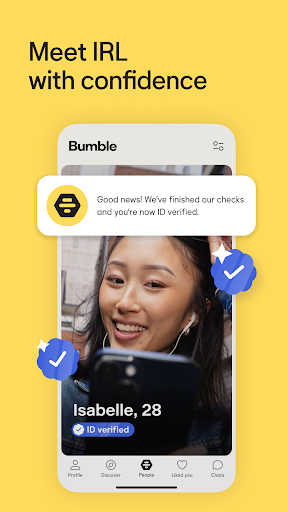
User quality and density varies heavily by geography. In major urban markets it’s a legitimate dating app; in smaller cities the pool thins fast. Verification and profile review systems help with fake accounts more than most competitors, but they don’t fully solve the problem. Overall, a well-built app with a genuine UX idea, compromised somewhat by its commercial pressure.

Verdict: A thoughtfully designed dating app with a real differentiator, but the paywall pressure is heavy enough to frustrate free users.