

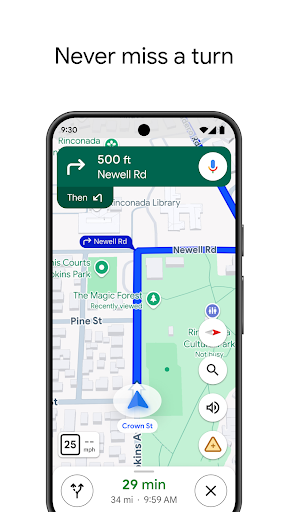
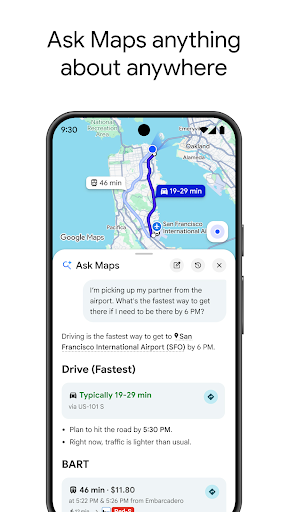
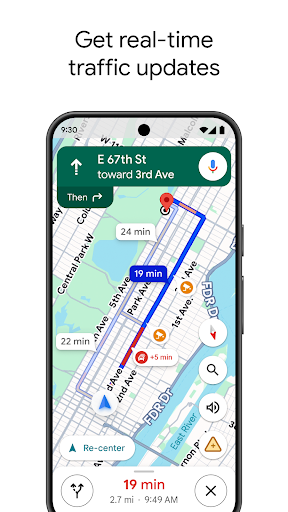


Google Maps is functionally essential infrastructure at this point. The data coverage is unmatched, live traffic routing works better than the alternatives in most cities, and public transit directions are accurate enough that people build commutes around them. Street View, business hours, reviews, and real-time closures all integrate into something that no other mapping app has fully matched.
The low Play Store rating reflects a real pattern: Maps is so important that people review it when things go wrong, not when they work. The most common complaints are about navigation errors in complex highway interchanges, offline maps requiring more storage management than they should, and periodic UI changes that move features users rely on. The constant ads and promoted local pins can interfere with finding genuine results.
For everyday city navigation, Maps is the sensible default. Power users who need heavy offline capability or less commercial clutter sometimes prefer alternatives like OsmAnd, but for the typical Android user who wants reliable routing and local search, nothing else comes close.

Verdict: Google Maps is the default for good reason, but its importance to daily life means even minor failures get noticed, which partly explains the gap between actual usefulness and its store rating.