

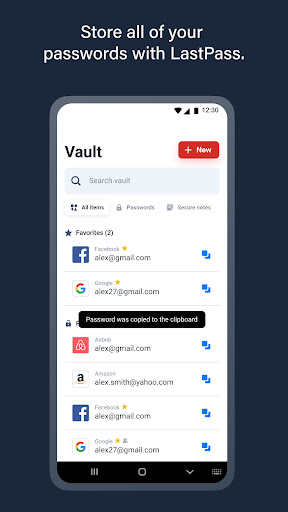
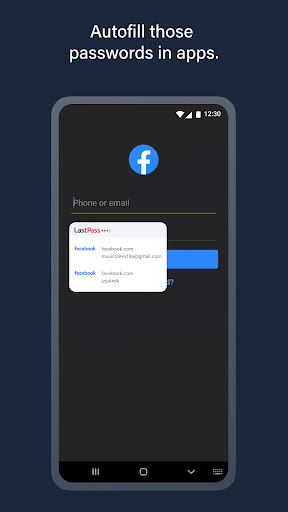
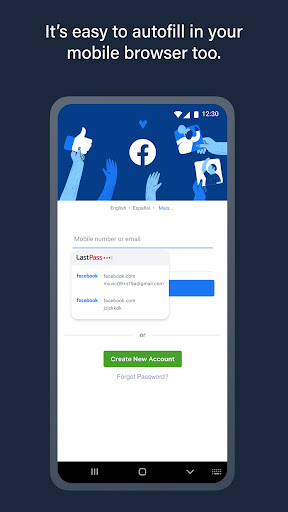
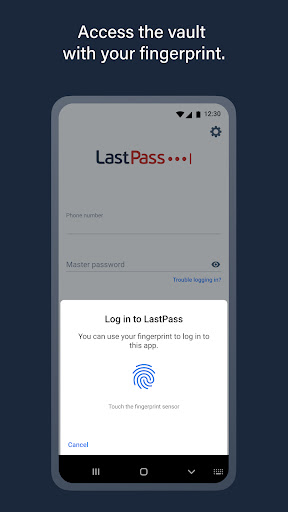
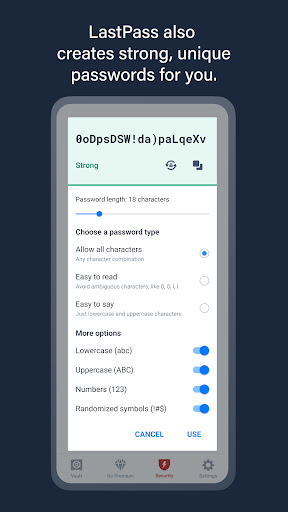
LastPass spent years as the default recommendation for password managers, and the core concept is still sound: one strong master password protects a vault of credentials that autofill across apps and browsers. The Android integration works reasonably well and the vault interface is functional for managing a large number of logins.
The 2022 security breach is not a minor footnote. LastPass confirmed that encrypted vault data was stolen, and while strong master passwords protect most users in practice, the incident revealed serious operational security and transparency failures in how the company handled and disclosed the breach. Password managers are trust products first, and LastPass broke that trust for a significant portion of its user base.
Competitors like Bitwarden (open-source, audited, free tier that is actually usable) and 1Password have largely absorbed the users who left. The free tier also moved to single-device only in 2021, removing the main reason casual users stayed. At this point recommending LastPass means asking users to overlook a serious breach while paying for a product with stronger free-tier alternatives.

Verdict: Hard to recommend in good conscience given the 2022 breach and better alternatives available; existing satisfied users may stay, but new adopters should look elsewhere.