
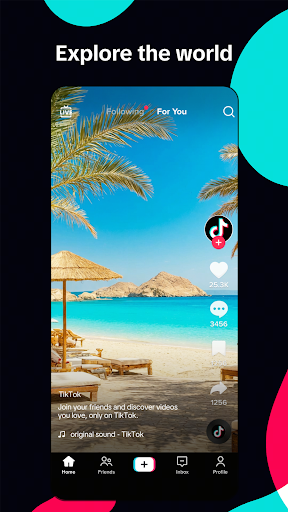
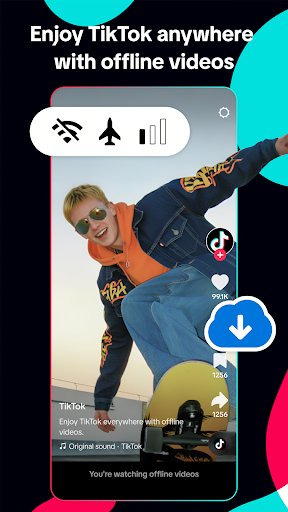
TikTok’s recommendation engine is one of the more technically impressive things in consumer software. Within a handful of interactions it can calibrate to your taste in a way that makes the initial cold-start problem nearly invisible. For users, that translates to a genuine discovery experience rather than the vanity-metric popularity contest that Instagram and YouTube default to.
The downsides are structural. The algorithm’s strength is also a confinement mechanism: it builds a tight content bubble that gets progressively harder to escape, and the short format conditions attention in ways that users frequently report noticing in their own behavior. Screen-time data consistently shows TikTok sessions running longer than intended. The LIVE gifting economy is a pay-to-participate system that creates uncomfortable dynamics between creators and audiences.
The regulatory pressure on the app is real and ongoing, tied to its ByteDance ownership and data-handling questions that haven’t been fully resolved in Western markets. Whether that matters to individual users depends on their threat model, but it’s a factor that a fair review can’t ignore. The shopping integration has become more prominent and the line between organic content and paid promotion is increasingly blurry.

Verdict: The most algorithmically sophisticated short-video platform, which is both what makes it addictive and the most honest reason to be cautious about using it without limits.