
The design conceit is still unusual: the map is where you actually are.
A game that only works if you leave the house
Pokestops are the corner shop and the church noticeboard, gyms are the landmarks people already walk past, and Pokemon appear because you went somewhere. Niantic built the location-based catching game that everyone else has been failing to copy ever since, and nothing about walking a route while your phone buzzes has lost its appeal. It works best for people who already go outside, and particularly for people who live somewhere dense enough for the map to be busy.
Spinning stops on the walk to work
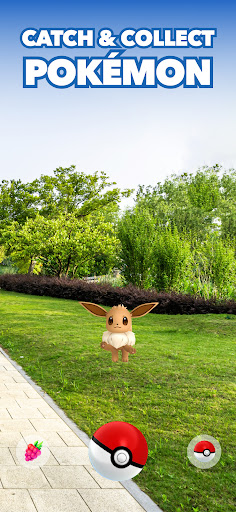
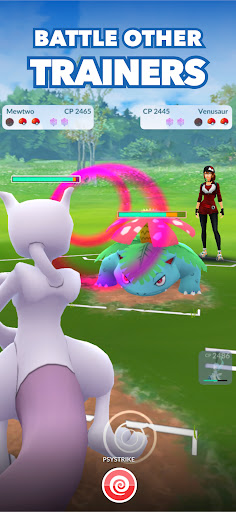
Most days it is light. You spin what you pass, throw at what appears, transfer the duplicates and keep an eye on which egg is about to hatch. Underneath sits a surprising amount for anyone who wants it: checking values before powering something up, learning shield timing in the battle league, building a raid counter for whatever is in the gyms this week. The seasonal calendar rotates what spawns, so the same walk gives you something different by the month.
Raid hour, and the crowd by the statue
The social texture is what no screen-bound game replicates. A cluster of strangers loitering by a statue, someone shouting an invite code across a car park, the local chat group organising who turns up when. Catching alone is pleasant. Catching with a crowd you only see on raid nights is the thing that has kept people playing for years.
Where the remote pass changes spent the goodwill
The decision that did the damage was restricting remote raid access, because of who it removed rather than what it cost. Remote passes were how a rural player, a housebound player or anyone without a nearby group took part in the raid content at all, and narrowing them did not make those people pay more, it made the game smaller for them specifically. What is useful keeps drifting towards paid passes and the subscription tier on top of that, and the battery and data appetite is a real cost for an app that needs you outdoors and away from a charger.
Walk a lot, live near a cluster of stops, and this is still a good reason to take the long way home. If you are rural, housebound or unwilling to pay for access to the group content, expect a much thinner game than the trailers show.
From the Play Store listing
These figures come from the official Google Play listing and can change at any time. Check the current listing.
- Play rating
- 3.7 out of 5
- Ratings
- 15,375,582
- Installs
- 500,000,000+
- Developer
- Niantic, Inc.
- Category
- Adventure
How those ratings split