
The browser that arrived with the phone
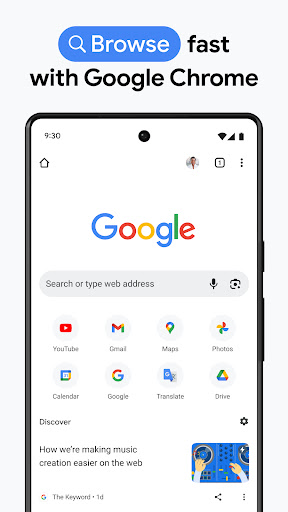
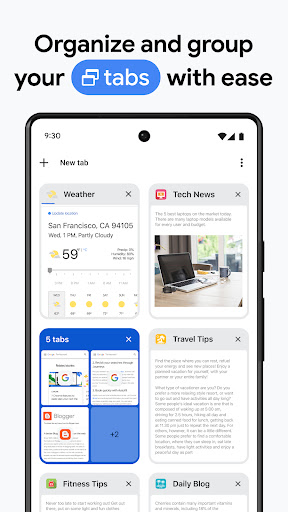
Chrome comes preloaded on most Android hardware, which explains its reach, but it keeps its place on merit for one particular person: somebody who runs Chrome on a computer too and wants the two halves to behave as a single thing. Page rendering is quick, modern web standards are handled without surprises, and cold starts are fast even on modest hardware. That is the floor, and it clears it comfortably. Tab groups stop a pile of open pages turning into a mess, the address bar doubles as the search box, and the reading list parks things for a quieter moment.
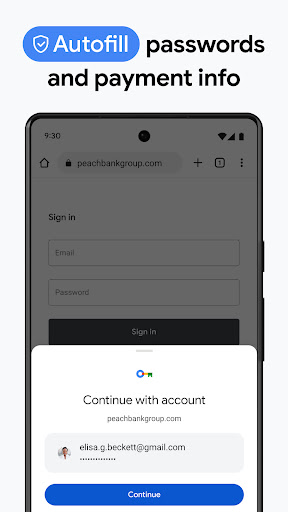
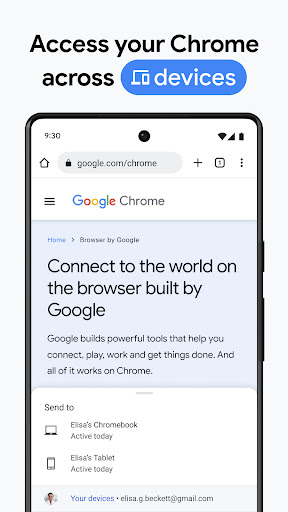
Sync is the feature that actually decides it. Open tabs, history, bookmarks and saved passwords cross between desktop and phone without ceremony, and the password manager fills credentials into other Android apps as well as websites. Start something on a laptop, finish it on a bus, and nothing is missing. For anyone whose browsing already runs through a Google account, that continuity is the entire argument and it is a strong one.
What you give up to get it
There is no first class extension support on mobile, which means no ad blocking built in. That is the one to weigh hardest, because it is not an abstract preference. Heavy advertising pages load slower here than in a browser that blocks by default, they chew through more data on a metered connection, and they take more battery to render, so the cost lands three separate times over, on exactly the pages you did not want to sit through anyway. Anyone reading a lot of news on a phone feels it daily.
Memory use is the smaller complaint, running heavier than Firefox or Brave at the same tab count, which shows up on mid range phones rather than flagship ones. The privacy defaults lean towards Google’s own interests and expect you to opt out rather than in, and almost nobody goes hunting for those switches after setting a browser up.
Right for one kind of user, wrong for another
Use Chrome on a computer and this is the obvious pick, provided you take a detour through the privacy settings early rather than never. The sync is good enough that a rival has to be a great deal better at something else to win, and for that user they mostly are not. Care more about memory headroom, or about not looking at advertising, than about continuity between devices, and Firefox or Brave will treat you better on the same handset while giving up very little. The split is clean, and once you know which side you sit on it is not a close call.
From the Play Store listing
These figures come from the official Google Play listing and can change at any time. Check the current listing.
- Play rating
- 4.1 out of 5
- Ratings
- 48,797,555
- Installs
- 10,000,000,000+
- Developer
- Google LLC
- Category
- Communication
How those ratings split