
The tracker that knows what you ate
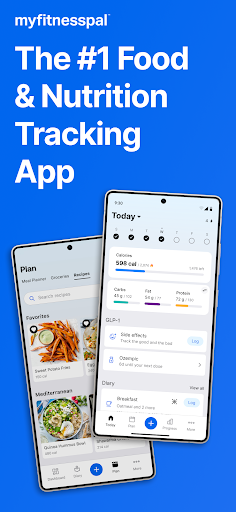
Every calorie counter lives or dies on whether it can find the food actually in front of you, and this one finds it. A supermarket own-brand yoghurt, a chain restaurant’s specific burger, a regional biscuit, a packet with the label in another language: the entry is usually already there, put in by somebody who ate the same thing. That sounds mundane next to charts and streaks. It’s also the reason people end up here after trying two or three prettier apps and quietly giving up on them.
Logging a day without thinking about it
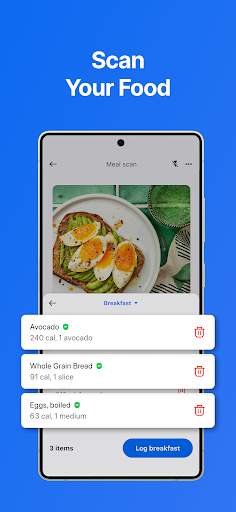
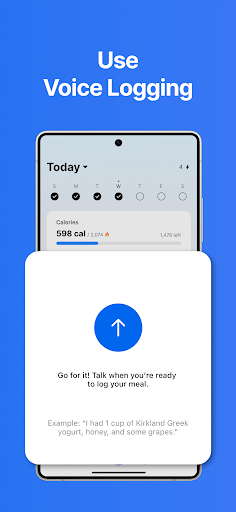
The barcode scanner is the quick route, packet to logged entry in seconds with nothing typed. Restaurant search usually lands something accurate, which matters because meals out are where tracking habits normally die. Recent meals and saved dishes turn a repeated breakfast into one tap, and a recipe entered once can be logged by the portion from then on. The assisted logging is the newer trick, estimating nutrition from a written description of what you had, and it cuts real effort out of the days when you cannot be bothered. Underneath all that, the macro and micronutrient detail goes further than most rivals attempt, so it serves somebody counting protein for training as well as somebody counting calories on medical advice. All of it pulls the same way: a log that takes seconds gets kept, and a log that takes minutes gets abandoned by Thursday.
The free tier keeps getting thinner
The paywall is what pulls this down from excellent. Things that used to sit in the basic experience have drifted across to premium, and what remains reads more and more like a demonstration of the paid version. You set a goal, start logging properly, get far enough in that the routine has begun to stick, then reach for the macro breakdown that makes the whole exercise worth doing and find a subscription screen in front of it. Being stopped at that particular moment, rather than at the start, is what stings.
Two smaller drags sit under that. User-submitted entries mean duplicates and wrong values, so the first search result deserves a glance before you trust it, and the app has sprawled outwards into a social feed and workout tracking that few people want from a food diary.
So the position holds, with an asterisk. For working out what you actually ate, nothing beats it, and the logging flow is smooth enough to survive a bad week. Expect to pay to make it comfortable, and expect to sanity-check the odd entry yourself. It’s still the app everything else gets measured against, just less generous than it once was.
From the Play Store listing
These figures come from the official Google Play listing and can change at any time. Check the current listing.
- Play rating
- 4.4 out of 5
- Ratings
- 2,901,905
- Installs
- 100,000,000+
- Developer
- MyFitnessPal, Inc.
- Category
- Health & Fitness
How those ratings split