


Essential in some countries, barely present in others
Viber made free international calling feel unremarkable, and across parts of Eastern Europe, the Middle East and South Asia it crossed the line where an app stops being a choice and turns into the phone book. That single fact explains nearly everything about it, including why opinions on it split so sharply depending on who you ask.
Calls that survive a poor connection
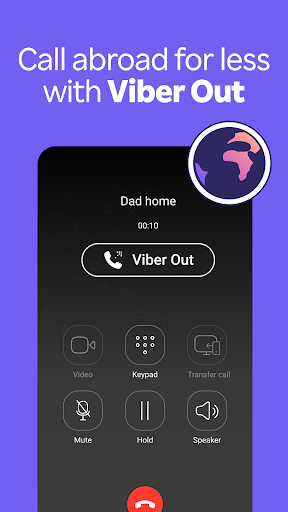
Voice quality holds up on the sort of mobile signal that defeats fussier apps, which matters when the call runs between a kitchen in one country and a building site in another. Calls out to ordinary phone numbers are sold as a paid add-on, and that is how a lot of families reach a grandparent who never took to a smartphone at all. Video calling works without ceremony on the same connections.
Groups big enough to run a neighbourhood
Group chat here comes with the administration tools a sprawling family thread or a residents’ group actually needs, rather than the minimum an app can get away with. Communities scale well past what a normal group handles, which is why local noticeboards and school years end up living here. Media sharing, replies, mentions and the rest of the expected furniture are all present and behave themselves.
Stickers are not a joke here
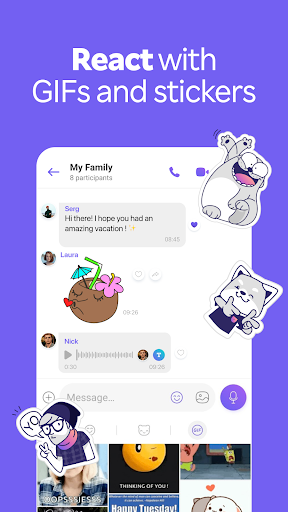
The sticker marketplace looks trivial from outside and is a real part of how people talk on this app. Packs carry a tone that plain text can’t manage, and long-standing users are attached to them in a way outsiders consistently underestimate. It’s a small thing that explains some of the stickiness in the markets where it won.
Protection by default, clutter on top
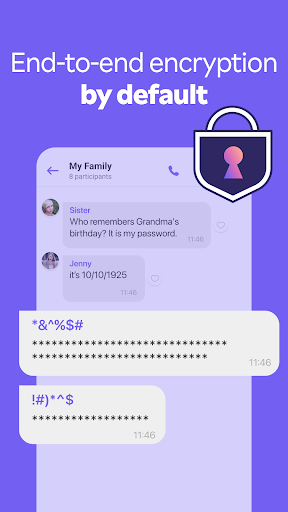
End-to-end encryption covers one-to-one messages and calls without anyone having to switch it on, and for an app with this much reach that default is worth stating plainly rather than burying in a features list. Disappearing messages and hidden chats are there for anyone who wants them, and the settings explaining all of it are findable instead of buried.
The clutter is what it costs you. Shopping and cashback panels from the Rakuten side have been pushed into an interface people opened to send a message, and they sit there occupying room nobody offered. Open the app to reply to your mother and there’s a promotional card between you and the thread, a small daily tax on the one thing you came for. That’s the clearest reason this isn’t scored higher, because the messaging underneath it is good.
Two smaller drags. Sync across devices has been less dependable than the leading messengers, and on cheaper Android hardware it runs heavier on battery and memory than leaner alternatives do.
Where your people are already here, it does the job and the default protection is a genuine point in its favour. Where WhatsApp or Telegram own the room instead, there’s no strong reason to pick this one deliberately.
From the Play Store listing
These figures come from the official Google Play listing and can change at any time. Check the current listing.
- Play rating
- 4.1 out of 5
- Ratings
- 16,735,094
- Installs
- 1,000,000,000+
- Developer
- Viber Media
- Category
- Communication
How those ratings split