How we make our own editions of classic games
A deck of cards dealt into a tableau. A square of numbered tiles with one empty space to slide into. Four discs falling down a board until somebody lines them up. These are rules, most of them older than every computer that has ever run them, and nobody owns them.
Building our own edition of one is not a matter of picking a mechanic and shipping it. The rules are the easy half. The work is everything that decides whether the result is still pleasant on a phone held in one hand.
The mechanics we took on
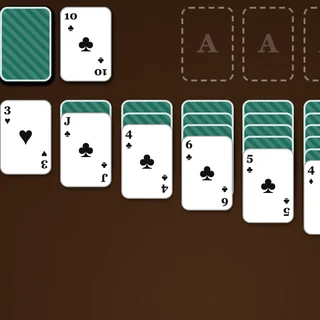
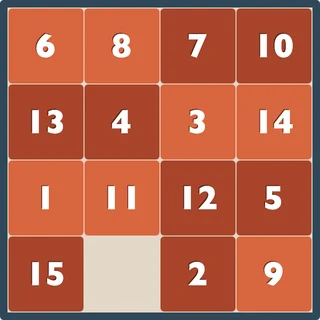
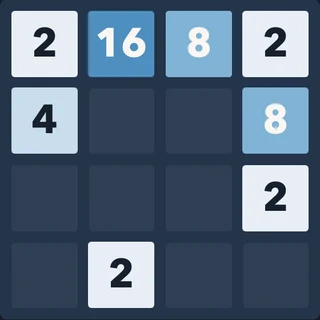
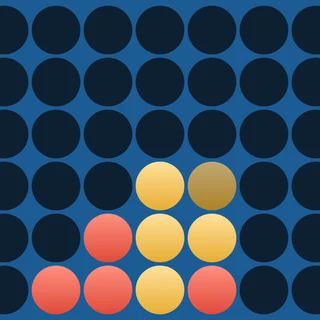
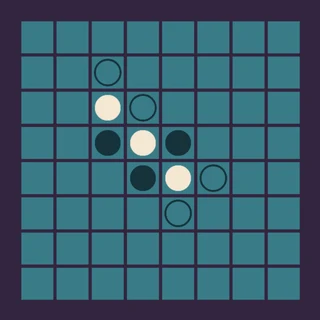
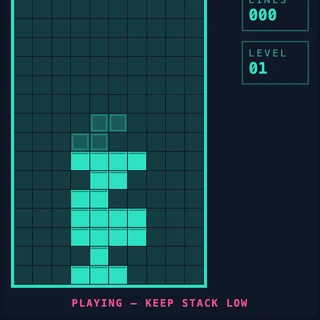
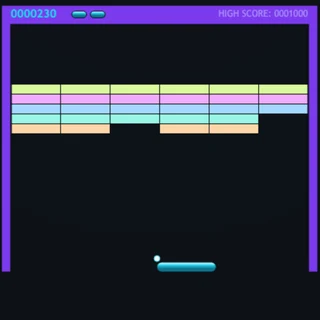
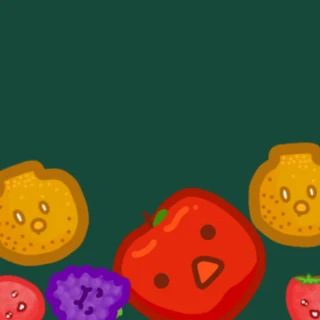
Cedar Solitaire is the patience layout people learn from a physical deck, seven piles, a stock, four foundations to build up by suit. Slide Fifteen is the sliding tile square. Twin Shift is the grid where two matching numbers collapse into one larger one and the board fills up behind you. Drop Four drops discs into columns. Flip Tide is the disc board where trapping a line of your opponent’s pieces turns all of them over at once. Neon Lines is the falling block well. Paddle Rally is a paddle, a ball, and a wall to knock down. Orchard Merge drops fruit into a jar, where two of a kind become the next fruit up and the jar keeps filling.
None of those descriptions names a product, because none of them is one. What we ship in each case is our edition: our art, our layout, our tuning, our decisions about what the game should feel like under a thumb.
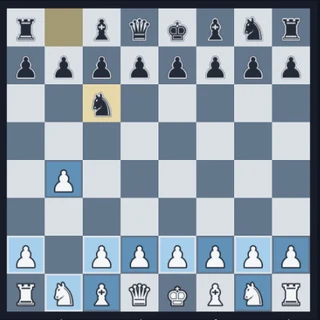
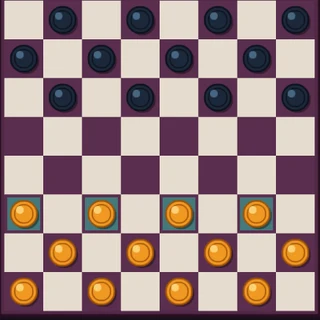
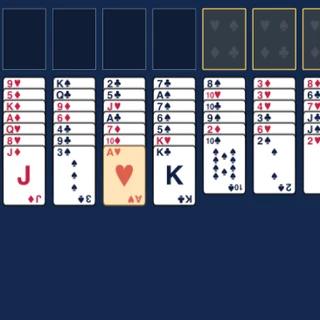
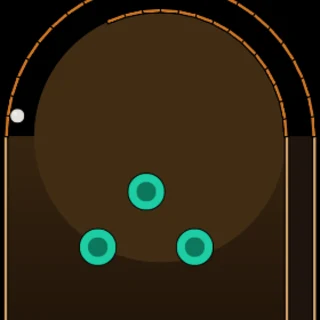
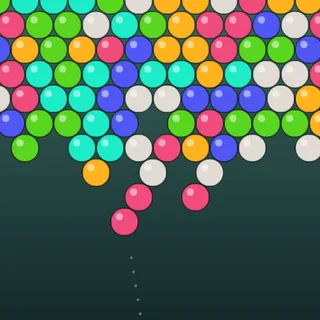
The rest of the board, card, arcade and physics catalogue went through the same pass in a single day, twenty titles of it. Marble Chess and Kings Row are our editions of chess and of draughts, one played on marble and slate squares and the other on ivory and plum. Cobalt Freecell is the all-cards-face-up patience layout on a cobalt cloth. Copper Table is a physics pinball table taken from blue to brass. Cluster Drop is the bubble wall, with its aim guide redrawn as a dotted trace and a shot counter added under the score. Every one of the twenty got a name of its own, a palette repainted in at least three visible colours, and a play through on a phone-sized screen before its page went up.
What actually got fixed
The viewport. With no mobile viewport setting, a phone lays a game out at desktop width and scales the result down. Every line and letter goes soft. It still plays, it just looks cheap, and it is a one line fix.
Taps landing on the wrong square. Flip Tide draws its board on a canvas that is 600 pixels square, and then the page displays that canvas at whatever width the screen allows. The original click handler used the raw offset inside the element, which is correct at full size and wrong at every other size. On a phone your tap landed a square or two away from the one you were aiming at. The handler now measures the displayed size, scales the tap back into board coordinates, and then looks up the square.
A button nobody could reach. The same game opens by asking which colour you want to play. That picker overflowed the screen on a phone, so the White button sat outside the viewport and a new game could not be started at all. It has a mobile layout now.
Icons that were screenshots. Several of these arrived using a gameplay screenshot as the icon. At the size an icon is actually drawn on a phone home screen or a listing card, a screenshot is an unreadable smudge. Each got a proper icon drawn for it instead.
A menu that named somebody else’s title. The fruit merging edition carried menu artwork with a commercial game’s name baked into the image. That was not ours to serve, and we did not want it there regardless. The menu background and the start button were redrawn.
Licences, checked where the code is
Any third-party code or artwork that goes into one of these gets its licence read at the source rather than trusted from a summary. A licence file is a claim. The headers inside the source files are the reality, and the two disagree more often than you would expect, usually because code and artwork were licensed separately and the artwork is the half with the problem. We have turned down games over exactly that: permissive code, and a README quietly admitting the sprites came from somewhere they were not cleared to come from.
When third-party code does ship, its notice and licence text travel inside that game’s own folder on our server, next to its files, which is where the licence asks for them and where they stay intact.
What we leave alone
Rules and balance. If a mechanic needed its rules rewritten to be worth playing, the honest move is to build something else.